Understanding Ceramic Window Tint
What is Ceramic Window Tint?
Ceramic window tint is an advanced window film that is manufactured using ceramic particles, which are non-metallic and non-conductive. Unlike traditional tint films that often rely on dye or metal to achieve shading, ceramic window tint employs a sophisticated blend of nanotechnology to provide exceptional performance. This innovative material allows for superior heat rejection, UV protection, and glare reduction without interfering with electronic signals, making it an optimal choice for modern vehicles.
Benefits of Ceramic Window Tint
Investing in ceramic window tint offers numerous advantages that enhance driving comfort and vehicle longevity. Notably:
- Heat Rejection: Ceramic window tint effectively blocks a significant portion of solar heat, keeping your vehicle cooler even on the hottest days.
- UV Protection: This window film can block up to 99% of harmful UV rays, significantly decreasing the risk of skin cancer and preventing interior damage.
- Glare Reduction: Ceramic films minimize glare from sunlight, improving visibility and reducing eye strain while driving.
- Durability: Unlike dyed films which may fade over time, ceramic window tint maintains its rich color and performance without peeling or bubbling.
- Privacy and Security: The tinted film provides added privacy while also helping to secure your vehicle by making it harder to see inside.
Myths about Ceramic Window Tint
While ceramic window tint is gaining popularity, several myths surround it, which can mislead potential customers:
- Myth 1: Ceramic window tint is too dark, making driving difficult. Fact: Various shades are available to accommodate personal preferences without compromising visibility.
- Myth 2: It's significantly more expensive than traditional tint. Fact: Although the initial cost is higher, the long-term benefits and durability make it a smart investment.
- Myth 3: All window tints are the same. Fact: Ceramic films outperform many other types in terms of heat rejection and UV blocking.
Choosing the Right Ceramic Window Tint
Factors to Consider When Selecting Tint
When deciding on the right ceramic window tint, consider the following factors:
- Local Climate: Choose a tint that provides the best heat reduction suitable for your area's climate conditions.
- Legal Regulations: Different states have varying laws regarding tint darkness and reflectivity; make sure to comply.
- Desired UV Protection: Ensure that the film offers adequate UV rejection to protect both your skin and your vehicle's interior.
- Installation Quality: Opt for professional installation to ensure a flawless application, thus maximizing the film's benefits.
Types of Ceramic Window Tint Available
There are several types of ceramic window tints tailored to diverse needs. Some common options include:
- Standard Ceramic Tint: Provides excellent heat rejection and UV protection, suitable for most vehicles.
- Dyed Ceramic Tint: Offers the benefits of ceramic with added color pigmentation for aesthetics.
- Reflective Ceramic Tint: This option enhances privacy and reduces glare even further, but might be subject to specific regulations.
Legal Regulations on Window Tint
It's essential to be informed about local laws concerning window tinting. Regulations typically govern the allowable levels of tint darkness and reflectivity. Most states have established guidelines to ensure safety while driving, so you should:
- Consult your state's Department of Motor Vehicles (DMV) for specific regulations.
- Check the visible light transmission (VLT) percentage allowed in your state.
- Ensure professional installers are aware of and adhere to the laws.
Installation Process for Ceramic Window Tint
Preparing Your Vehicle for Tinting
Proper preparation can significantly affect the outcome of your ceramic window tint installation. Follow these steps:
- Thoroughly clean your windows to remove dirt, grease, and old adhesive.
- Inspect for any chips or scratches on the glass that could impact adhesion.
- Decide on which windows you want to tint and the desired shade.
Steps for Proper Installation
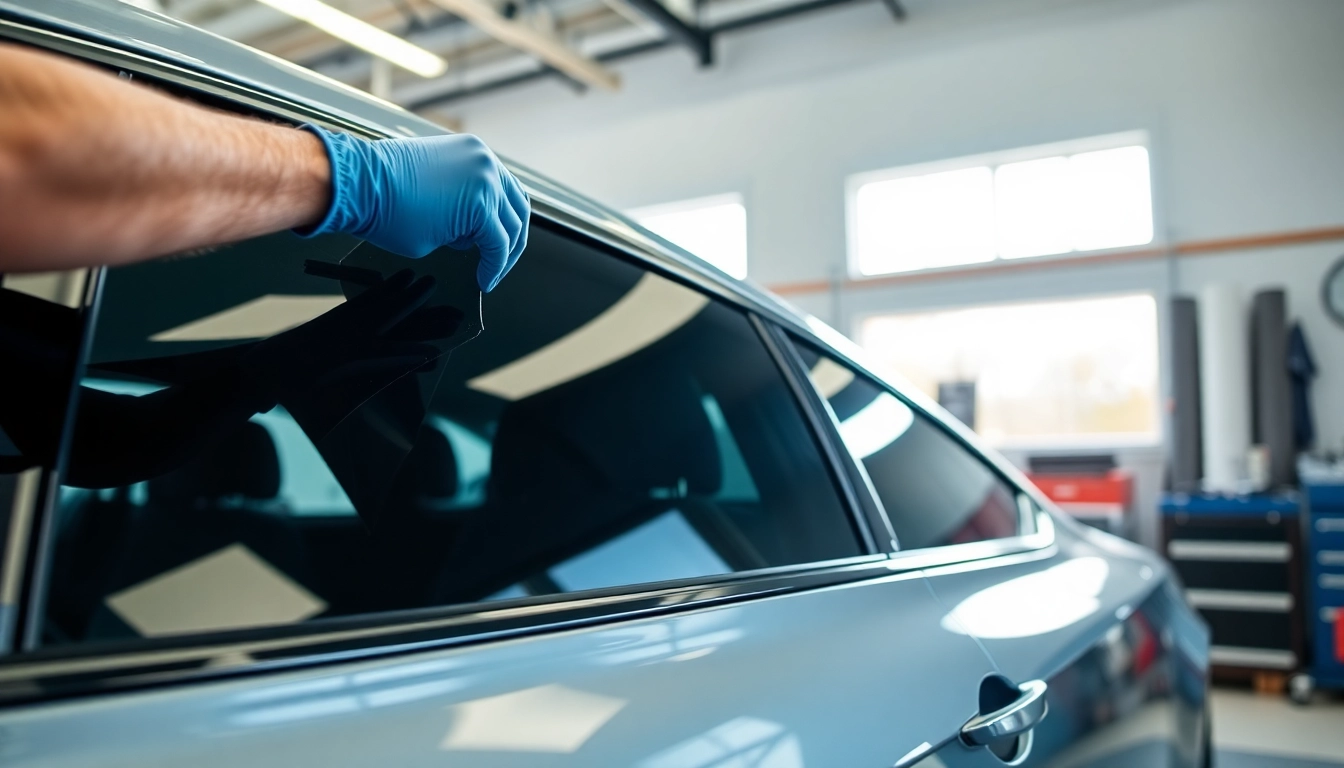
Here are step-by-step instructions for installing ceramic window tint:
- Measure the windows accurately to create custom film cuts.
- Cut the tint film according to your measurements, ensuring enough overlap for edges.
- Moisten the window surface with a soapy water solution.
- Peel the film's backing and carefully place it on the wet glass, smoothing out air bubbles as you go.
- Trim excess film along the edges, then use a squeegee to ensure proper adhesion.
Common Issues During Installation
While installing ceramic window tint, several common challenges may arise:
- Bubbles: Can occur from trapped air; use a squeegee to eliminate them.
- Peeling: Ensure the window surface is clean and free of contaminants before application.
- Scratches: Handle the tint carefully during installation to prevent damage.
Maintaining Your Ceramic Window Tint
Cleaning Tips for Longevity
To maintain your ceramic window tint and ensure its longevity, follow these cleaning tips:
- Wait at least a week post-installation to clean the windows to allow adhesive to set.
- Use a soft, non-abrasive cloth to avoid scratching the film.
- Avoid ammonia-based cleaners, which can damage the tint. Instead, use pH-balanced solutions.
What to Avoid After Installation
After installing ceramic window tint, there are several practices you should avoid:
- Avoid rolling down your windows for at least 48 hours to allow the tint to cure properly.
- Don't use abrasive materials during cleaning to prevent scratches or peeling.
- Steer clear of high-pressure washers at car washes that may dislodge the film.
Signs You Need Tint Replacement
Over time, even the best ceramic window films may show wear. Look for these signs to determine if replacement is necessary:
- Fading: If the color has noticeably lightened, it's time to consider replacing it.
- Peeling or Bubbling: These are clear indicators that the adhesion has failed and needs addressing.
- Scratches: Deep scratches that obstruct visibility may require a full replacement.
Frequently Asked Questions About Ceramic Window Tint
How long does ceramic window tint last?
Ceramic window tint can last 10 to 15 years or more, depending on the quality of the film and care taken during maintenance.
Can you remove ceramic window tint?
Yes, ceramic window tint can be removed by a professional. Proper removal helps to avoid damage to your vehicle’s glass.
Is ceramic window tint worth the investment?
Absolutely! Its longevity, performance benefits, and the protection it offers make it a worthwhile investment for any vehicle owner.
Does ceramic window tint block UV rays?
Yes, ceramic window tint blocks up to 99% of harmful UV rays, providing excellent skin protection and preserving your vehicle's interior.
How does ceramic window tint compare to traditional tint?
Ceramic window tint offers superior performance in heat rejection and UV protection compared to traditional dyes and metals, making it a better choice for many drivers.