
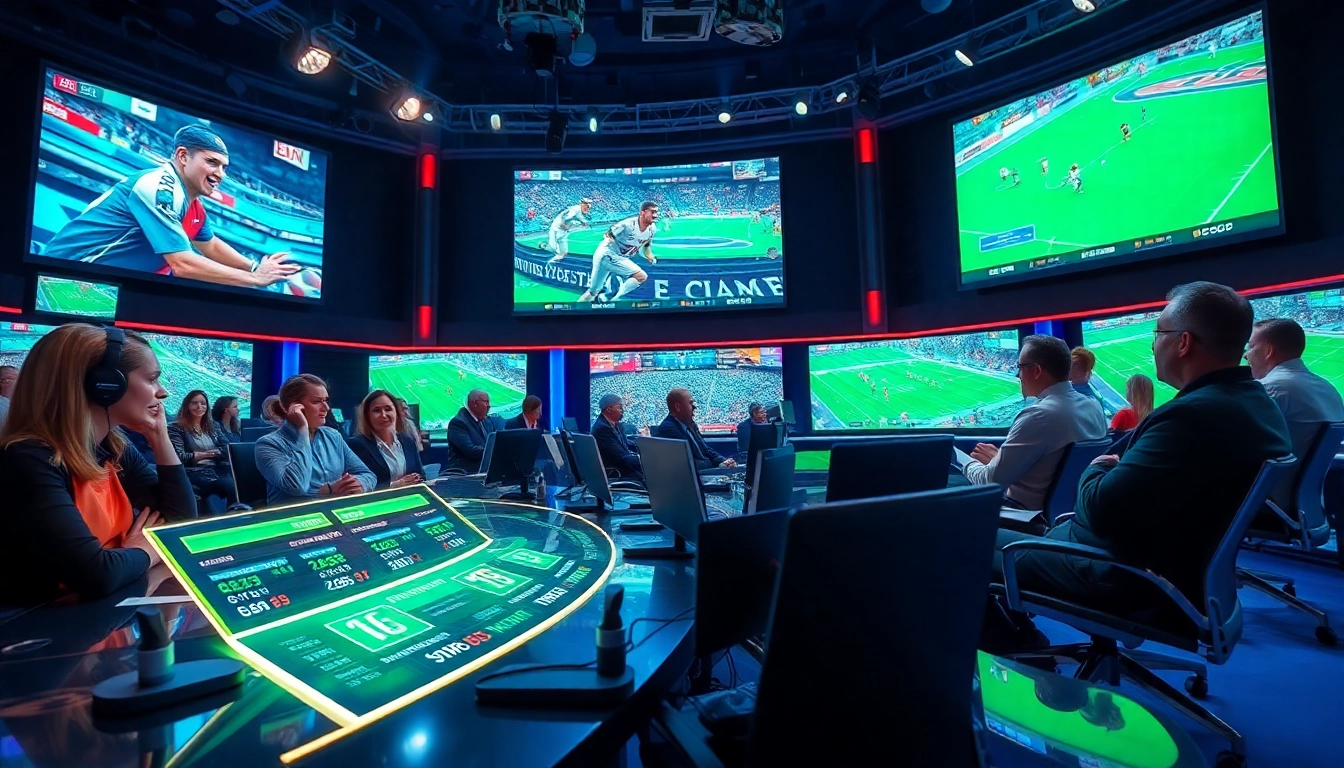
Understanding the Fundamentals of Sports Broadcasting
What is Sports Broadcasting?
Sports Broadcasting represents a dynamic interface between sports events and their audiences through various media. It encompasses the live or recorded transmission of sporting activities over platforms including television, radio, and digital streaming services. The primary aim is to deliver real-time commentary, highlight reels, and in-depth analysis, allowing fans to experience the excitement of their favorite sports from anywhere. This industry has evolved significantly, driven by advances in technology and changing viewer preferences, creating new opportunities for content creation and distribution in Sports Broadcasting.
Key Components of Sports Broadcasting
Understanding the components that make up successful sports broadcasting is crucial for anyone involved in the industry. These components can be categorized into several essential areas:
- Content Creation: This includes producing original programs, highlights, commentary, and analysis that engages viewers both during and outside of live events.
- Broadcasting Platforms: The choice of platform—be it satellite, cable, or online streaming—can significantly affect audience reach and engagement.
- Audience Engagement: Building a dedicated viewership involves interactive content, social media presence, and community involvement.
- Analytics: Tracking viewer preferences and behaviors using data analytics helps in refining content strategies and improving satisfaction.
Historical Evolution of Sports Broadcasting
Sports Broadcasting has a rich history dating back to the early 20th century. Initially, sports events were covered through print media and radio, allowing fans to follow their favorite teams through newsprint and live broadcasts. The introduction of television in the mid-20th century revolutionized the game, bringing iconic moments directly into living rooms. Over the decades, technological innovations—like the advent of high-definition broadcasts, the internet, and mobile streaming—have continually transformed how sports are presented to audiences, making it an ever-evolving field.
Essential Equipment for Sports Broadcasting
Broadcasting Technologies and Tools
To deliver high-quality sports content, broadcasters rely on various state-of-the-art equipment and technologies. Key technologies in the arena include:
- Cameras: High-definition multi-camera setups are critical, allowing for different angles and enhanced viewer experiences.
- Audio Equipment: Quality microphones and sound systems are essential to ensure clear commentary and immersive audio experiences.
- Broadcasting Software: Streaming platforms and editing software help manage the production and enhance the quality of the broadcast.
- Graphics and Effects: Tools for real-time graphics create engaging overlays for stats, player profiles, and more.
Importance of Sound and Visual Quality
A hallmark of successful sports broadcasting is sound and visual quality. Clear visuals enhance the viewer’s experience, allowing them to engage deeply with the content. Good sound quality is just as critical; poor audio can detract from even the most thrilling visuals. Utilizing professional-grade equipment, along with regular testing and maintenance routines, ensures that both sound and visuals meet a high standard, providing an immersive viewing experience.
Emerging Trends in Broadcasting Equipment
The landscape of sports broadcasting equipment is changing rapidly, driven by technological advancements. Trends include:
- Virtual Reality (VR): VR technologies are emerging, creating unique fan engagement experiences by placing viewers directly in the action.
- Cloud-Based Solutions: These solutions provide flexibility and scalability in broadcasting operations.
- Smartphone Integration: Mobile devices are increasingly becoming primary tools for live broadcasting.
- Data Visualization Tools: Enhanced analytics produce real-time stats graphics to keep audiences informed and engaged.
Strategies for Engaging Sports Audiences
Creating Compelling Storylines
At the heart of captivating sports broadcasting lies storytelling. Compelling narratives draw in viewers and create emotional connections. Broadcasters should focus on:
- Player Backgrounds: Sharing personal stories and challenges faced by athletes can resonate with audiences.
- Team Histories: Highlighting rivalries and team achievements enrich viewer understanding and loyalty.
- Game Strategies: Analyzing each teams’ tactics can enhance viewer engagement through deeper insights.
Utilizing Social Media for Engagement
Social media platforms serve as powerful tools for enhancing viewer engagement. Broadcasters can leverage these platforms to:
- Create Buzz: Early announcements, behind-the-scenes content, and sneak peeks can engage fans prior to events.
- Real-Time Interaction: Engaging with fans through live tweets, polls, and Q&A sessions fosters a sense of community.
- Celebrating Milestones: Recognizing achievements and notable events on social media can keep audiences engaged even beyond live broadcasts.
Conducting Audience Research
Understanding audience preferences is pivotal to tailoring content effectively. Conducting research can encompass surveys, focus groups, and data analytics. By gaining insights into what fans enjoy, broadcasters can adapt their strategies, improve content relevance, and enhance overall viewer satisfaction.
Challenges in Sports Broadcasting
Navigating Live Event Uncertainties
Live broadcasting comes with inherent unpredictability. Weather changes, injuries, or unexpected events can disrupt planned broadcasts. To mitigate these risks, it is essential for broadcasters to:
- Have Contingency Plans: Prepare backup content, such as pre-recorded interviews or highlight reels, to utilize if a live segment is affected.
- Train Teams: Equip on-air and production teams with skills to adapt in real-time to unforeseen circumstances.
Dealing with Technical Difficulties
Technical malfunctions represent a constant challenge in sports broadcasting. To handle these issues effectively, broadcasters should prioritize:
- Regular Equipment Maintenance: Routine checks and updates of equipment can prevent most issues before they arise.
- Technical Support Teams: Having on-call teams ready to resolve issues immediately can minimize downtime and maintain viewer satisfaction.
Maintaining Viewer Interest During Commercials
Commercial breaks are often seen as a necessary evil, but they can also be opportunities for engaging advertising. Strategies to enhance this include:
- Creative Ads: Working with advertisers to showcase engaging, unique content during breaks can captivate viewer attention.
- Promotional Segments: Highlight upcoming segments or events during commercial breaks to keep viewers interested in returning.
Measuring Success in Sports Broadcasting
Key Performance Indicators for Broadcasters
Measuring the success of sports broadcasting requires established Key Performance Indicators (KPIs) which can include:
- Viewership Ratings: These numbers provide insights into how many people are tuning in and the success of specific broadcasts.
- Engagement Metrics: Comments, shares, and likes on social media accounts allow broadcasters to track audience interaction.
- Subscriber Growth: For streaming services, understanding how subscription numbers change over time provides critical insights.
Audience Feedback and Analytics
Gathering audience feedback provides qualitative insights that numbers alone cannot, helping to refine strategies. Incorporating surveys and tracking social media metrics can surface viewer sentiment and preferences.
Adjusting Strategies Based on Performance Metrics
Ongoing analysis of performance metrics enables broadcasters to iteratively improve their approach. Adjustments can range from altering content formats, changing broadcast times, or even reshaping audience engagement strategies based on real-time data.
Frequently Asked Questions about Sports Broadcasting
What is Sports Broadcasting?
Sports broadcasting refers to the coverage and broadcast of sports events via television, radio, and online platforms, aimed at providing real-time updates and engaging content for fans.
How can I get started in Sports Broadcasting?
To start in sports broadcasting, pursue education in journalism or communications, gain practical experience through internships, and build a portfolio showcasing your work and commentary skills.
What technology is essential for Sports Broadcasting?
Essential technology includes high-definition cameras, sound equipment, broadcasting software, and reliable internet connection for streaming live content and ensuring quality transmission.
What are common challenges in Sports Broadcasting?
Common challenges include live event uncertainties, technical malfunctions, competition for viewer attention, and producing engaging storytelling in fast-paced scenarios.
How is success measured in Sports Broadcasting?
Success is measured through ratings, audience engagement metrics, social media interaction, and feedback from viewers, helping broadcasters understand their impact and areas for improvement.